
Forks
Absorbing impact from roots, rocks, and rough pavement while maintaining precise steering geometry requires fork engineering that balances compliance with stiffness in ways that conventional steel and aluminum designs struggle to achieve. BALUGOE Forks combine carbon rigid construction that eliminates unnecessary flex with superior impact absorption that protects your hands and arms from cumulative trail damage. Order online from the official BALUGOE store and upgrade to components trusted by mountain bike racers globally.
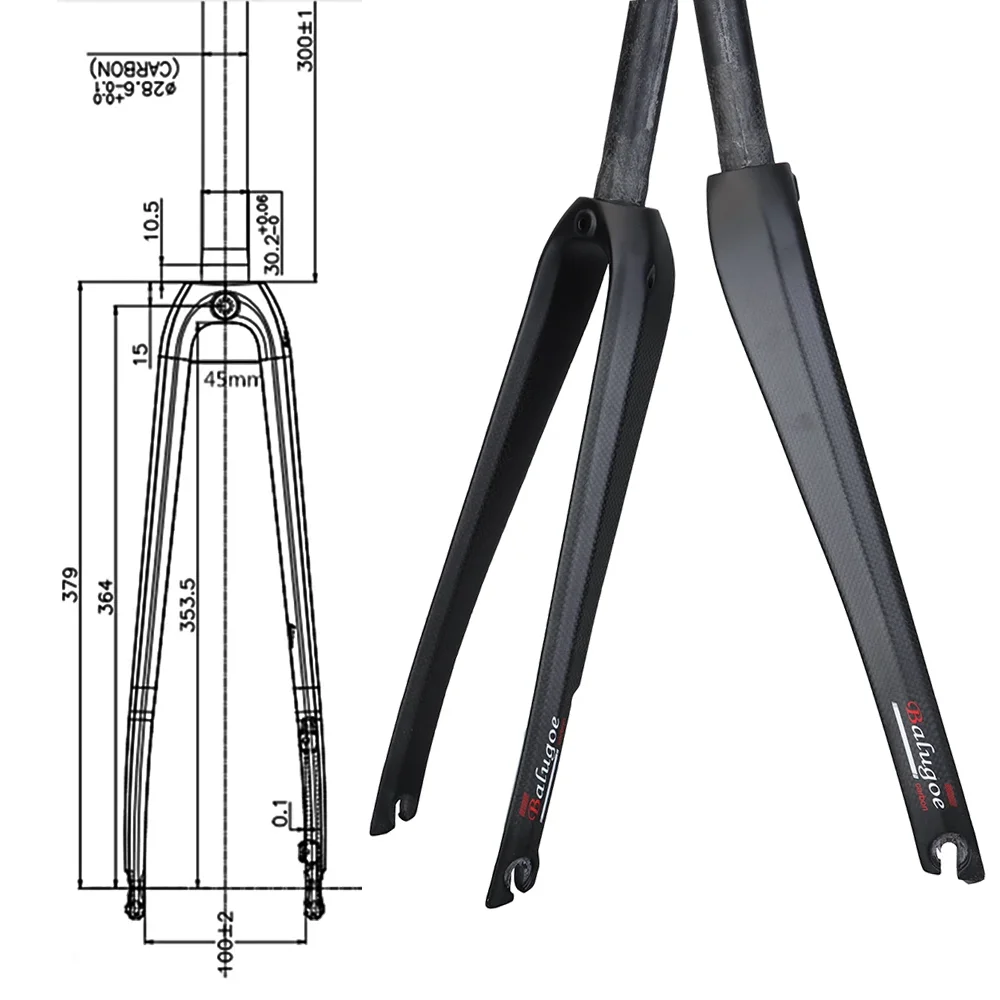
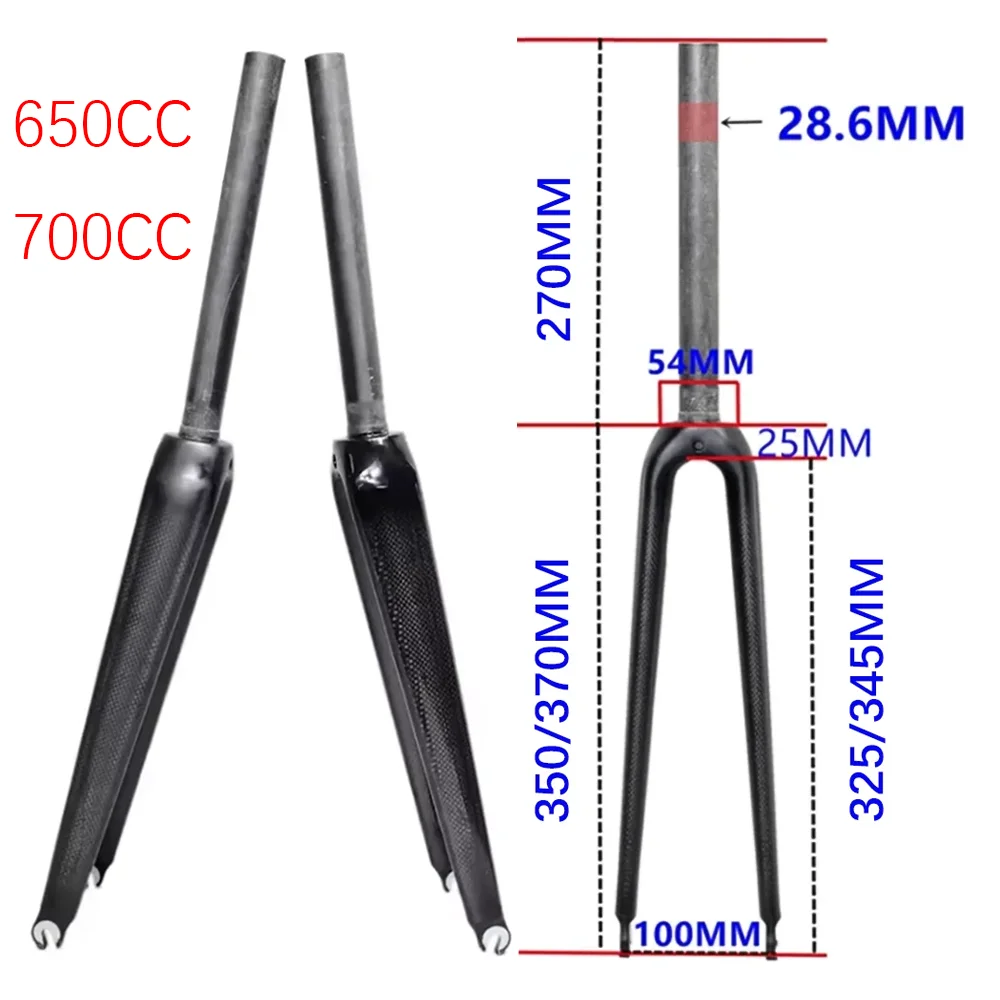
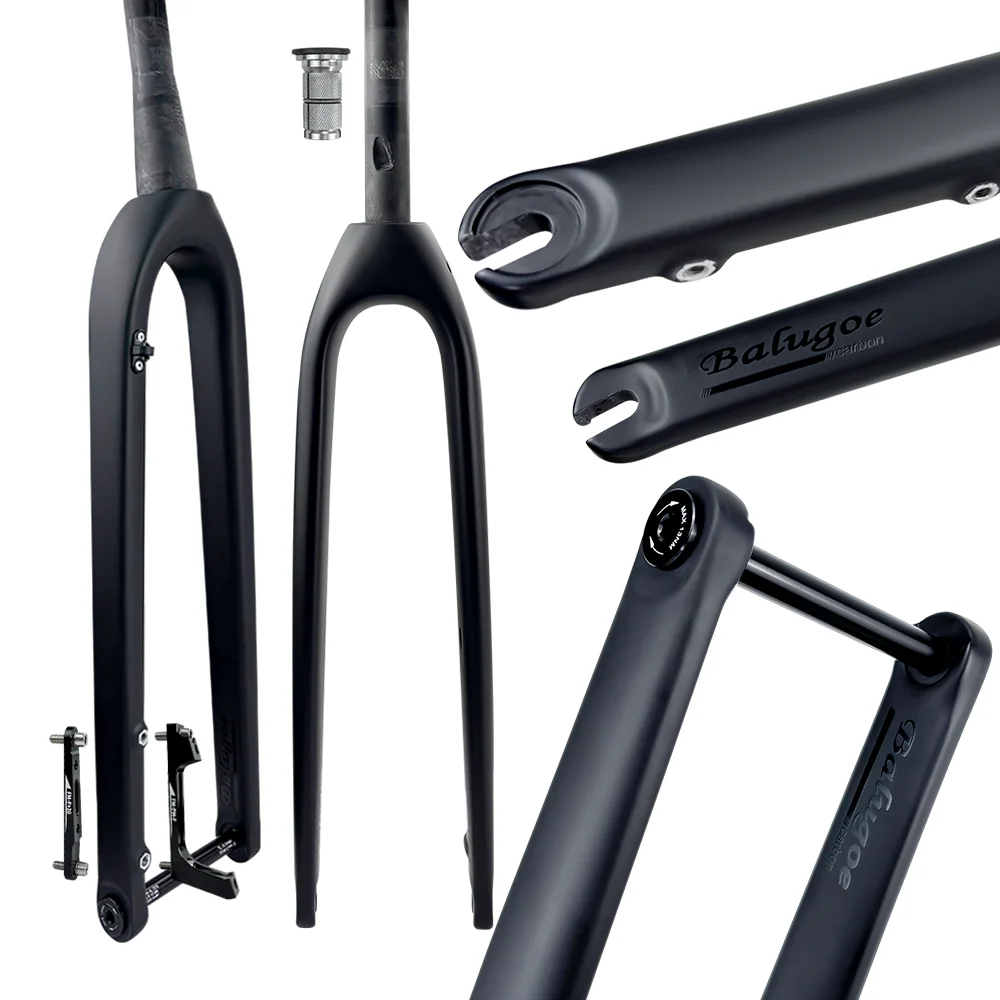
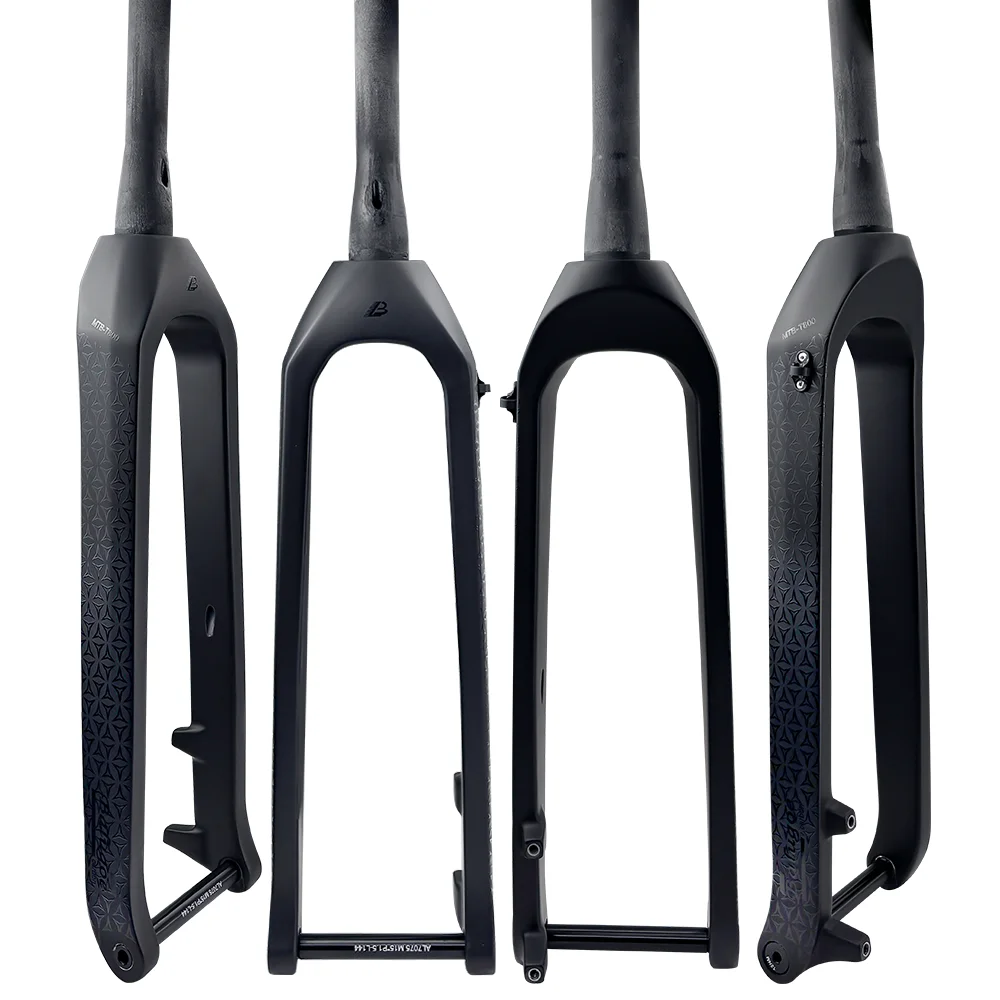
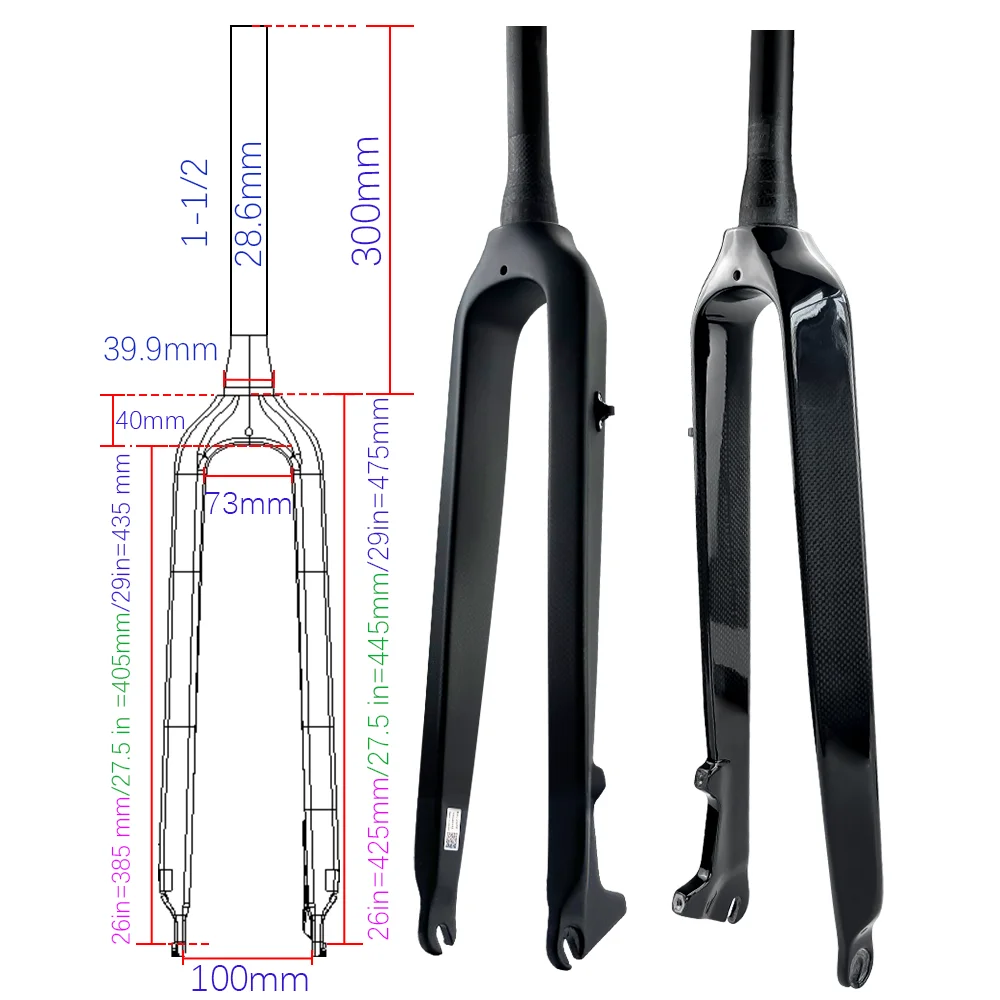
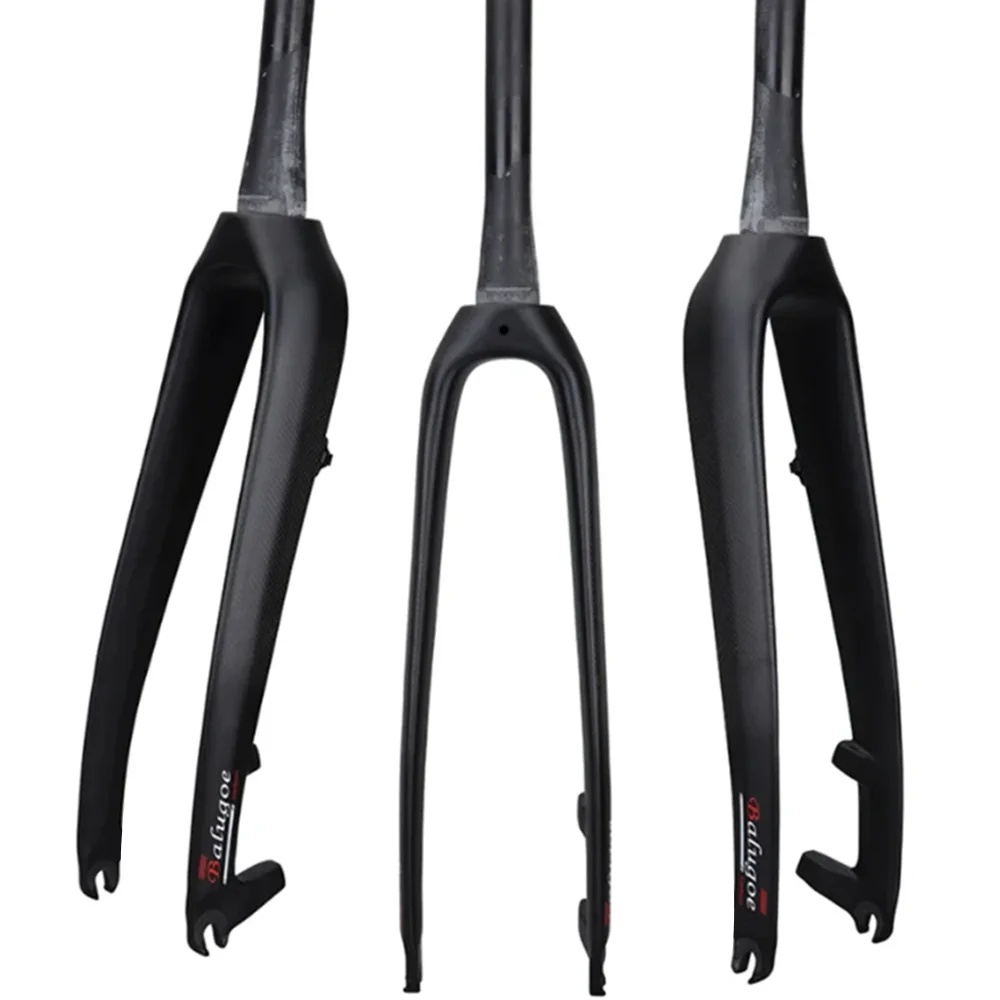
BALUGOE Forks with Carbon Rigid Construction
BALUGOE Forks employ carbon rigid construction as the structural foundation, eliminating vertical compliance issues that plague aluminum forks where minute flexing accumulates into steering geometry changes during rough terrain encounters. The carbon fiber matrix distributes stress across wider material sections than metal alternatives, creating forks that maintain original alignment through thousands of impact cycles without permanent bending. Superior impact absorption emerges from the material’s inherent damping characteristics—carbon fiber naturally converts kinetic energy from trail impacts into harmless heat through internal molecular friction rather than transmitting shock directly into your wrists. Each fork model receives finite element analysis simulating thousands of common trail impacts to ensure structural limits exceed actual riding stresses by safety margins of 3-4 times normal conditions. The rigid geometry maintains consistent head tube angles and brake line routing whether you encounter small rocks or substantial obstacles, preserving predictable steering response. Competitive mountain bikers report confidence increases when switching to carbon rigid designs because feedback through the bar becomes more precise when fork flex no longer masks terrain-induced steering corrections. Shop the BALUGOE fork selection and find the model matching your bike’s head tube standard and desired travel range for your riding discipline.
Carbon Engineering and Vibration Dampening Technology
The layered carbon fiber construction uses directional fiber placement where some plies run along the fork legs for bending stiffness while others wrap circumferentially to resist twisting forces, creating isotropic strength that responds equally to forces from any direction. Superior impact absorption occurs because the carbon matrix contains millions of micro-fibers that flex independently when stress applies, dissipating energy gradually rather than the sudden load transfer characteristic of rigid metal forks. Temperature stability in carbon construction means steering geometry and brake alignment remain constant from frozen morning rides through afternoon heat that expands aluminum and steel at different thermal rates. Testing data shows BALUGOE forks maintain original steering response after simulated 50,000-kilometer service intervals while aluminum comparison samples developed measurable flex and deflection. The brake mounting interface uses precision-molded bosses that hold disc and rim brake attachments with tolerances matching professional framebuilding standards, ensuring consistent braking performance. Seal systems around the steerer tube prevent water and mud intrusion into bearing cartridges, extending component life beyond single seasons. The overall engineering approach prioritizes durability and consistent performance over weight savings alone, delivering forks that perform identically in year-one and year-five of ownership.
BALUGOE Forks Compared to Steel and Aluminum Options
Independent laboratory testing demonstrates that carbon rigid forks absorb 35-40 percent more impact energy than comparably-priced aluminum forks before transmitting shock into your hands and arms, translating to measurable fatigue reduction during six-hour trail sessions. The weight advantage of carbon construction saves 200-350 grams per fork compared to steel alternatives, meaningful savings that multiply across wheel builds and frame upgrades toward competitive race setups. Riders transitioning from aluminum report immediate tactile differences in trail feedback because carbon damping reduces the sharp feedback peaks that aluminum transmits for every root and rock encounter. Steering precision improves because the rigid carbon construction maintains head tube angle consistency rather than allowing micro-deflections that compromise line accuracy through technical corners. The superior impact absorption means your hands, wrists, and shoulders experience less cumulative trauma over racing seasons, reducing long-term injury risk that develops from repeated micro-impacts. Warranty coverage on BALUGOE forks typically extends to three years for normal use, reflecting design confidence that budget alternatives cannot match through their warranty limitations. The engineering advantages justify the premium pricing for riders who value measurable durability and performance backed by scientific testing rather than marketing narratives.
Choosing Fork Specifications for Your Bike and Riding Style
Travel distance selection depends on your riding discipline—30-80mm rigid forks suit cross-country and racing where compliance matters less than weight and efficiency, while 100-150mm options serve aggressive trail and all-mountain setups where impact absorption becomes critical. Head tube diameter comes in standardized sizes including 1-1/8 inch straight tube, tapered designs that transition from 1.5 inches at the crown to 1-1/8 inches at the steerer, and oversized variations that provide additional stiffness for heavier riders. Brake compatibility requires verification that your fork includes mounting bosses for disc brakes, rim brakes, or both depending on your existing bike configuration and future upgrade intentions. Steerer tube length determines stack height—measure your current fork’s steerer and add spacer dimensions above your stem to ensure proper headtube clearance when installing BALUGOE models. The carbon rigid construction remains consistent across all BALUGOE fork models regardless of travel and sizing variation, delivering superior impact absorption and steering precision as standard. Competitive racers often test different travel ranges before committing to long-term bike setups because fork choice dramatically affects how your bike handles across varied terrain and speed ranges. Visit the official BALUGOE website to cross-reference your existing bike specifications, then order the fork model that matches your head tube standard and riding objectives with confidence in quality construction.